Navigating CATA Bus & Commute Routes: How to Live Off-Campus Without a PSU Parking Pass
CATA Loops, Links, and property shuttles make it realistic to live off-campus at Penn State without a parking pass. Here's how the routes work and how to plan a commute you'll actually keep.
TL;DR
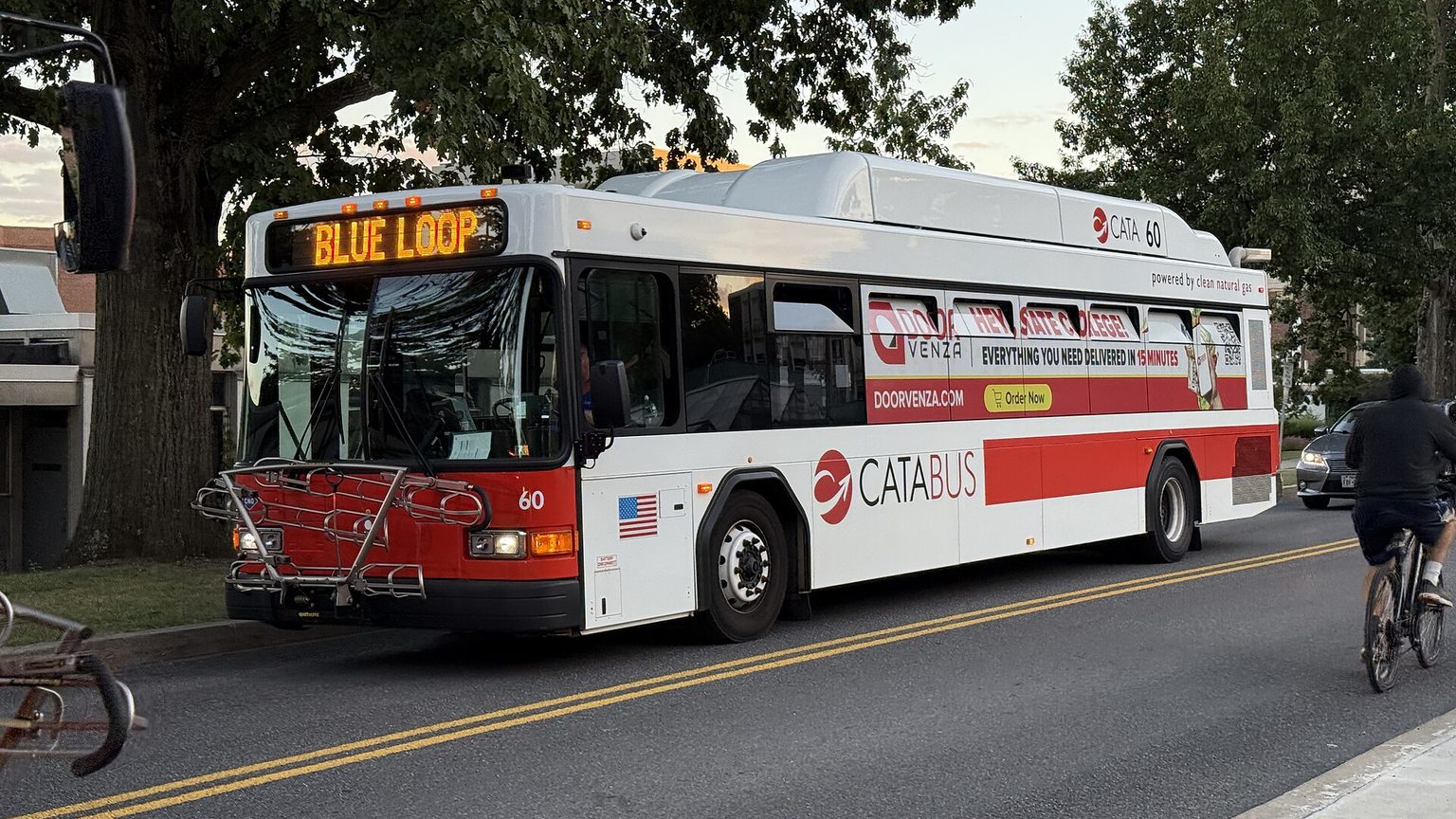
CATA operates the bus network in State College. Campus-area Loop routes (Blue Loop, White Loop, Red Link, Green Link) circulate between campus and nearby student housing, while lettered community routes such as the V, N, and W serve the Vairo, North Atherton, and westside corridors. Penn State student parking on campus is limited and permit-restricted, so most off-campus students commute by bus, bike, or on foot — and downtown residents typically skip the commute entirely.
Key takeaways
- Campus Loop routes run frequently during the academic year and connect student housing corridors to University Park.
- Lettered community routes (V, N, W and others) cover Vairo Boulevard, North Atherton, and westside neighborhoods.
- Penn State student parking permits are limited — do not assume you'll get one, and don't build a housing plan around it.
- Downtown residents at Calder Commons or Meridian on College Avenue mostly walk; the bus is a backup for weather and errands.
- Always confirm current routes, hours, and fares on catabus.com before you sign a lease based on a commute.
How CATA works in State College
CATA, the Centre Area Transportation Authority, runs State College's public bus network. Its campus-area Loop and Link routes circulate between the Penn State University Park campus and nearby apartment corridors, while lettered community routes reach neighborhoods farther from downtown.
Two things make the system unusually useful for students. First, the campus-area Loops circulate continuously rather than running a distant point-to-point schedule, so a missed bus costs you minutes rather than half an hour. Second, most apartment corridors were built around the routes, so complexes advertise their stop the way they advertise their gym.
| Route type | What it covers | Typical rider |
|---|---|---|
| Loop routes (e.g. Blue, White) | Campus perimeter and adjacent student housing corridors | Undergrads living just off campus |
| Link routes (e.g. Red, Green) | Connections between campus, downtown, and nearby districts | Students crossing between campus zones |
| Lettered community routes (V, N, W, etc.) | Vairo Blvd, North Atherton, westside, and outlying neighborhoods | Students in larger suburban complexes |
| Property shuttles | Private complex-to-campus service run by some apartments | Residents of complexes farther from a Loop stop |
The Penn State parking reality
Student parking at Penn State University Park is permit-restricted and limited, with eligibility rules that favor certain classifications. Most undergraduates living off-campus do not park on campus daily, which is why bus, bike, and walking commutes dominate.
The practical takeaway is simple: build a housing plan that works without a campus parking permit. If you get one later, great. If your entire commute depends on one you haven't been granted, you have a problem in August.
- Check Penn State Transportation Services for current student permit eligibility before you count on parking.
- Downtown garages charge monthly rates — budget for it if you're bringing a car to a downtown building.
- Borough on-street parking is metered and time-limited; it is not a daily commuter solution.
- Winter changes everything: a five-minute walk beats a cleared windshield and a parking hunt.
The downtown option: no commute at all
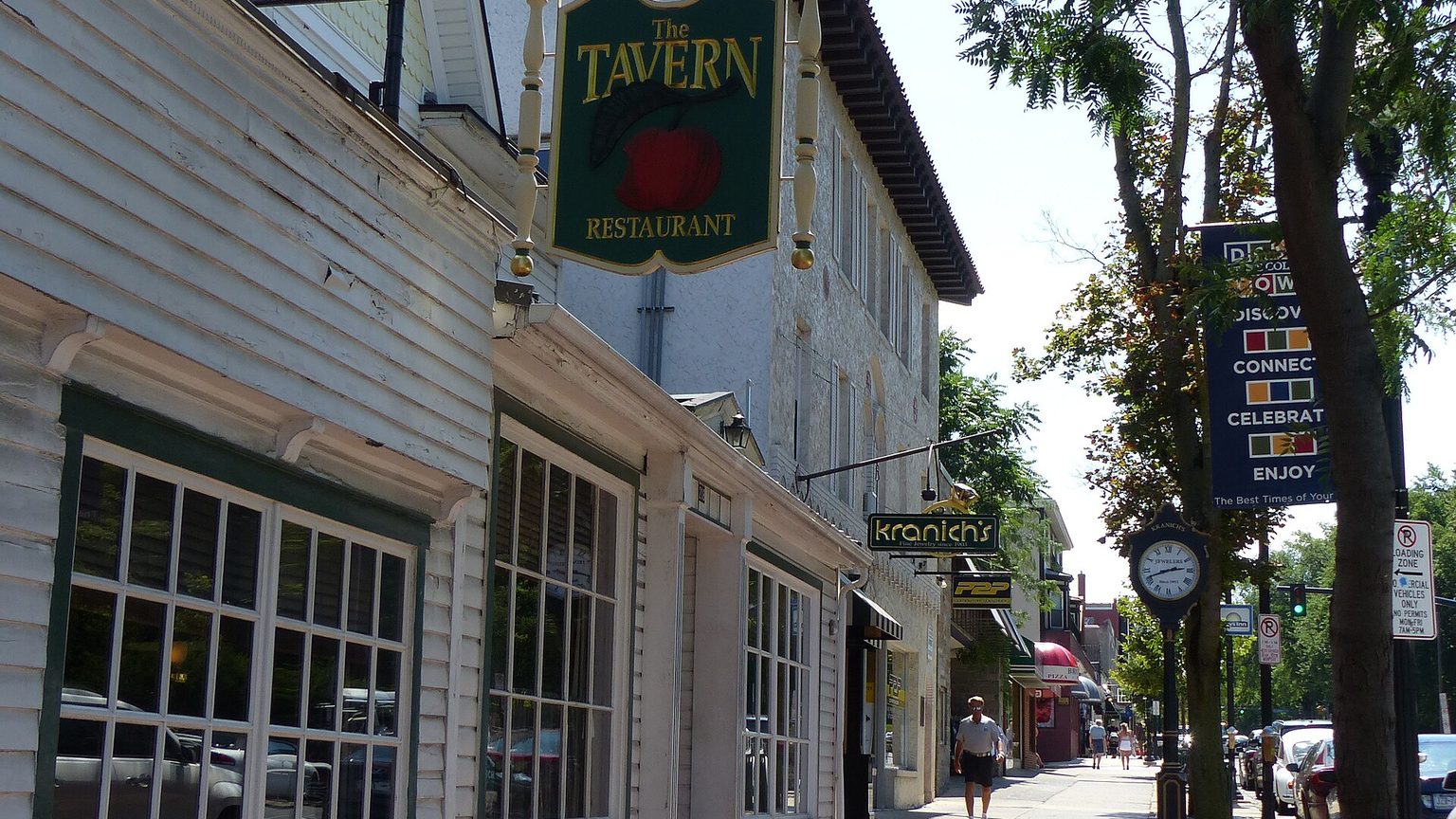
Living downtown removes the commute variable entirely. From the Calder Way and East College Avenue blocks, campus is about a five-minute walk, so the bus becomes an occasional convenience for grocery runs and bad weather rather than a daily dependency.
Calder Commons (520 E Calder Way) and Meridian on College Avenue (646 E College Ave) both sit inside that walk radius. Students there typically use CATA for Wegmans and Target runs on the North Atherton corridor and walk everything else. Over a full academic year, that's hundreds of hours you don't spend waiting for or driving to campus.
Building a commute you'll actually keep
Plan your commute around your earliest class, in the worst weather of the year, with a ten-minute buffer. If the plan only works in September at noon, it is not a plan — it is an optimistic estimate you'll abandon by November.
- Map your first-class building, not just 'campus.' University Park is large.
- Ride the route at your actual class time before signing, if you're already in town.
- Add a weather buffer: assume winter adds 10 minutes to any bus commute.
- Download the CATA app and set your stop as a favorite before move-in week.
- Keep a bike or a walking backup for the days a route runs behind.
Frequently asked questions
Can I live off-campus at Penn State without a car?
Yes. Downtown State College residents walk to campus in about five minutes, and CATA bus routes connect the Vairo Boulevard, North Atherton, Toftrees, and South State College areas to University Park throughout the academic year.
Do Penn State students get free CATA bus rides?
CATA has historically offered fare arrangements for Penn State students on campus-area routes, but the details change between service years. Check catabus.com and Penn State Transportation Services for the current-year policy before you rely on it.
Is it hard to get a Penn State parking pass?
Campus student parking is limited and permit-restricted, and eligibility depends on your classification. Plan your housing so that you don't need a campus permit, and treat one as a bonus if you receive it.
How long is the bus ride from Vairo Boulevard to Penn State campus?
Typical CATA rides from the Vairo Boulevard and North Atherton corridors to University Park run roughly 10 to 20 minutes depending on the route, the time of day, and the weather. Confirm current timings on the CATA schedule.
Sources & further reading
- CATA — Routes & Schedules — Centre Area Transportation Authority
- Penn State Transportation Services — The Pennsylvania State University